



A Look At Your Chevy Dashboard Warning Lights
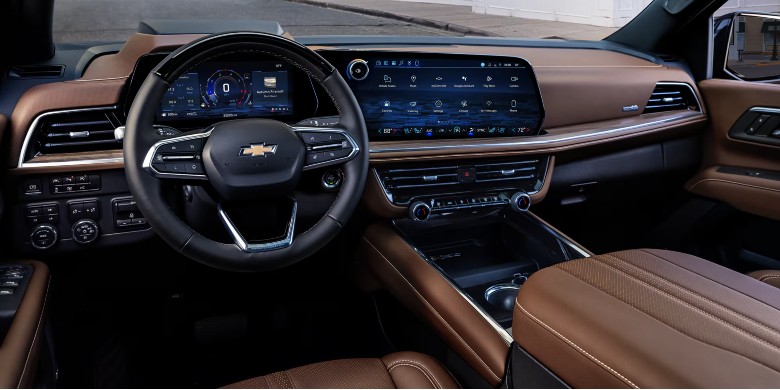
That moment when a new light appears on your dashboard can be unsettling. Whether you’re driving your Chevy Traverse through Broomfield or your Silverado 1500 on I-25, a sudden warning symbol demands attention. At Fowler Chevrolet, we believe knowledge is power. Those lights are your vehicle’s primary communication tool, and understanding them is key to preventing minor issues from becoming major, costly repairs. This guide will help you translate those signals into action.
Modern Chevrolets are incredibly sophisticated, with networks of sensors constantly monitoring vehicle health. When you start your car, you’ll see a brief display of symbols—this is a system self-check. While some icons are intuitive, others are more cryptic. Think of your dashboard as a health monitor for your vehicle; this guide will serve as your interpreter, explaining what each critical warning light means for your specific Chevy model and the immediate steps you should take to ensure your safety and your vehicle’s longevity.
It’s important to note that while this guide covers common warnings, always refer to your specific vehicle’s owner’s manual for the most accurate information. When in doubt, the certified technicians at our Broomfield service center are here to help.
Critical Red Warning Lights: Stop Immediately
A red warning light is your Chevy’s most urgent alert. It indicates a serious problem that requires immediate attention to prevent significant damage or a safety hazard. Do not continue driving to your destination; safely pull over and assess the situation.

Oil Pressure Warning Light
This red oil can symbol means engine oil pressure is critically low. This could be due to low oil level, a failing oil pump, or a blockage. Without proper lubrication, engine components can weld together in minutes. Action: Pull over safely, turn off the engine immediately, and check the oil level. Do not restart the engine if the level is low—you may need to add oil or have the vehicle towed to Fowler Chevrolet Service for diagnosis.


Engine Coolant Temperature Warning
A red thermometer light means your engine is overheating. This can be caused by coolant loss, a failed thermostat, or a broken water pump. Continuing to drive can cause catastrophic engine damage like a warped cylinder head. Action: Safely pull over, turn off the engine, and allow it to cool completely before checking the coolant reservoir (never open a hot radiator cap). Your vehicle will likely need to be towed for service to prevent further damage.


Brake System Warning Light
This light (often with an exclamation mark inside a circle) indicates a problem with the hydraulic brake system. It can illuminate for low brake fluid, a leak, or a problem with the brake booster. Action: Proceed with extreme caution. The brake pedal may feel soft or go to the floor. Pump the brakes gently; if some pressure returns, drive slowly and carefully to the nearest safe location and call for a tow. Do not risk driving with compromised brakes.

Important Yellow/Orange Warning Lights: Schedule Service Soon
An amber or yellow light signals a non-emergency issue that needs to be addressed in the near future. While you may be able to drive for a short time, ignoring these warnings can lead to reduced performance, lower fuel efficiency, or eventual component failure.

Check Engine Light (Malfunction Indicator Lamp)
This is one of the most common warnings. A solid light indicates a non-critical fault, often related to emissions, sensors, or fuel systems. A flashing light means a severe engine misfire that can damage the catalytic converter—stop driving immediately. Action: For a solid light, schedule a diagnostic at our service center soon. We use factory-grade scan tools to read the specific fault code and perform the correct repair, whether it’s for your Chevy Malibu or Colorado.


Charging System / Battery Alert
This light, typically a battery icon, means the vehicle’s charging system is not working. The alternator may have failed, or there is a wiring issue. The vehicle is running solely on battery power, which will soon be depleted. Action: To avoid being stranded, drive directly to a service center or your destination if very close. Turn off non-essential electrical loads (radio, A/C). We can test your battery and alternator to resolve the issue.


Tire Pressure Monitoring System (TPMS)
This light looks like a tire with an exclamation point and indicates one or more tires are significantly underinflated. A solid light means low pressure; a flashing light indicates a system fault. Action: Check and adjust all tire pressures (including the spare, if equipped) to the PSI listed on the driver’s door jamb sticker. Driving on underinflated tires reduces fuel economy, causes uneven tread wear, and can lead to a blowout. If the light remains on after inflation, a sensor may need service.

Safety System Warning Lights
These lights relate to your vehicle’s critical safety systems. If they indicate a fault, the corresponding system may be disabled or not function properly in an emergency.

Airbag Readiness Light
This light, showing a seated person with an airbag, should flash briefly at startup. If it stays on, there is a fault in the airbag system. This could mean airbags may not deploy in a collision or could deploy unexpectedly. Action: This is a serious safety concern. Have the system diagnosed by our certified technicians as soon as possible to ensure you and your passengers are protected.

Traction Control / Electronic Stability Control
This icon (a car with squiggly lines) flashes when the system is actively controlling wheel spin or skidding. If the light stays on solid, it indicates the system is off (if you turned it off) or has a fault. Action: If it’s on due to a fault, your vehicle’s stability in slippery conditions or during evasive maneuvers may be compromised. Schedule service to restore this vital safety feature.

Anti-Lock Braking System (ABS)
The ABS light illuminates if there’s a problem with the anti-lock braking module or a wheel speed sensor. Your conventional brakes will still work, but you will lose the anti-lock feature that prevents wheel lockup during hard braking. Action: While you can still drive, avoid panic stops. Have the system checked to ensure optimal braking performance, especially important for Colorado’s variable weather.
Seat Belt and Safety Reminder Lights
These reminders are designed for occupant safety and convenience. They are typically not indicative of a mechanical fault but are crucial alerts.

Seat Belt Reminder Lights
These lights flash and often chime if the vehicle is moving and a seat in a monitored position (driver, front passenger, sometimes rear) is occupied but the belt is unbuckled. Modern systems use weight sensors. Note: Always ensure all passengers are buckled. If a light remains on for an empty seat, a sensor may be faulty, which can be diagnosed during a service visit.

Door Ajar Light
This light, often showing an outline of a car with open doors, illuminates when any door, the liftgate, or the hood is not fully closed and latched. Action: Check all openings. Driving with a door ajar is a safety risk and can drain the battery if the interior lights stay on. If the light remains on after all doors are securely closed, a door latch sensor may need adjustment.

Security Light
A flashing car-with-key or padlock icon indicates the vehicle’s theft-deterrent system is armed. If this light stays on solid when you try to start the car and the engine doesn’t crank, the system does not recognize the key. Action: Try your second key fob. If the problem persists, there may be a fault with the key, the receiver, or the immobilizer system requiring professional diagnosis.

Low Fuel Warning Light
The gas pump icon illuminates when fuel is low (typically with 1-2 gallons remaining). Action: Refuel at your earliest convenience. Consistently running the tank very low can cause the fuel pump to overheat, as it relies on gasoline for cooling, potentially leading to premature failure.
Driver Assistance Feature Warning Lights
Many newer Chevrolets come equipped with advanced driver-assistance systems (ADAS). These lights inform you of the system status or if a feature is temporarily unavailable.

Lane Keep Assist & Lane Departure Warning
These systems use a camera to detect lane markings. A green icon means the system is on and ready. An amber icon flashing means you’re drifting without a turn signal. If the icon is amber and solid, the system may be temporarily unavailable due to poor lane markings, bad weather, or a blocked camera. Clean the windshield in front of the camera if obstructed.

Forward Collision Alert
A green vehicle icon means a vehicle is detected ahead. An amber icon means you’re following too closely and should increase your following distance. If the system’s radar or camera is blocked (by snow, mud, or a license plate frame), you may see a message like “Front Camera Blocked” and the system will be disabled until the obstruction is cleared.

Automatic Emergency Braking (AEB) Disabled
This icon (a car with radiating lines) appears if you have manually turned the AEB system to “Off” or “Alert Only” in your vehicle settings. It serves as a reminder that the automatic braking function is not active. For maximum safety, it’s recommended to keep this system turned on through your infotainment settings.

Adaptive Cruise Control
White = System is on but not set. Green = System is active and maintaining a set speed and distance from a vehicle ahead. If the vehicle ahead slows, your Chevy will automatically slow down. An amber light or message indicates the system is unavailable, often due to a blocked sensor or poor weather conditions. Always remain attentive and keep your hands on the wheel.


Frequently Asked Questions About Chevy Dashboard Lights
What should I do if multiple dashboard warning lights come on at once?
This often points to an electrical issue, such as a failing battery, alternator, or a problem with the vehicle’s main computer. Safely reduce speed and pull over. Check for obvious issues like a loose gas cap. If the problem isn’t clear, it’s best to have the vehicle towed to our service center for a comprehensive diagnosis to prevent further issues or becoming stranded.
Can I drive my Chevy with the check engine light on?
If the check engine light is solid yellow, it’s usually safe to drive for a short distance to our Broomfield service center. However, avoid long trips or heavy acceleration. If the light is flashing, this indicates a severe misfire that can quickly damage the catalytic converter. In that case, stop driving immediately and call for a tow to Fowler Chevrolet.
How do I reset a warning light after fixing the problem myself?
Some lights, like the TPMS, may reset automatically after driving a few miles once the tire pressure is corrected. For the check engine light, the issue is that the underlying fault code is stored in the computer. While disconnecting the battery may temporarily clear it, the light will often return if the repair wasn’t complete or the computer’s readiness monitors haven’t reset. For a permanent reset and to ensure the fix was successful, professional diagnostic tools are often needed.
Why did my dashboard lights dim or flicker?
Flickering or dimming dashboard lights are classic symptoms of a charging system problem. It typically means the alternator is not providing consistent power, and the vehicle is running on the battery. This should be addressed immediately, as a complete alternator failure will leave you with a dead battery and a stranded vehicle.
Are Chevrolet warning lights the same in every model?
Core warning lights (check engine, oil, battery, brakes) are standardized across all Chevrolet models like the Silverado, Equinox, and Trax. However, some symbols for advanced features (like specific drive modes on a Tahoe or trailer brake alerts on a Silverado HD) may be model-specific. Always check your owner’s manual or ask our team at Fowler Chevrolet for clarification on unique symbols.
What’s the most urgent dashboard light I should never ignore?
The red oil pressure warning light is arguably the most critical. Engine damage from low oil pressure can be catastrophic and happen in mere minutes of driving. A red brake warning light is equally urgent, as it indicates a failure in your primary stopping system. Any red light demands immediate action.
Why do all the lights stay on when I turn the key but don’t start the engine?
This is normal and called the “Key On, Engine Off” (KOEO) test. All warning lights should illuminate to show you they are operational. When you start the engine, they should all turn off within a few seconds. If a light remains on, that’s the system indicating an issue that needs your attention.
Can a loose gas cap cause a warning light?
Yes, absolutely. A loose, damaged, or missing gas cap is a common cause for the check engine light to come on because it creates a leak in the vehicle’s evaporative emissions system. Always ensure your gas cap clicks tightly after refueling. It may take several drive cycles for the light to turn off after resecuring the cap. If it doesn’t, we can reset it for you.
Expert Dashboard Light Diagnosis at Fowler Chevrolet
Don’t let a mysterious dashboard light cause you stress or lead to a breakdown. The certified technicians at our Broomfield service center are experts in Chevrolet diagnostics. We use genuine GM parts and the latest diagnostic technology to accurately identify the issue with your Chevy Trax, Blazer, or Silverado and get you back on the road safely. From a simple warning light reset to complex electrical repairs, we provide transparent service you can trust.
0 comment(s) so far on A Look At Your Chevy Dashboard Warning Lights