

How Long Does an EV Take to Charge?
Fowler Chevrolet Blog
How Long Does an EV Take to Charge?
One of the biggest questions people have before going electric is pretty simple: “How long will this actually take?” It’s a fair thing to wonder, and at Fowler Chevrolet in Broomfield, CO, it comes up in nearly every EV conversation on the showroom floor. The short answer? It depends on which charging level you use — and once you understand the difference, the whole thing starts to make a lot more sense.
Key Takeaways
- Level 1 charging (standard 120V outlet) is the slowest option, typically adding just 2–5 miles of range per hour.
- Level 1 vs. Level 2 vs. Level 3 charging time varies significantly: Level 2 charges a full EV in 4–10 hours, while DC fast charging can reach 80% in as little as 20 minutes to an hour.
- Chevy EVs like the Equinox EV, Blazer EV, and Silverado EV all support DC fast charging for maximum flexibility on long trips.
- What affects EV charging speed includes battery size, outside temperature, charger output, and your vehicle’s onboard charger capacity.
- Home Level 2 charging overnight is the most practical daily setup for most EV owners — you wake up with a full battery every morning.
How Long Does It Take to Charge an Electric Car?
How long to charge an electric car depends almost entirely on which type of charger you’re using. Level 1 (a standard home outlet) can take 40–50+ hours to fully charge a battery electric vehicle, while DC fast charging can get you to 80% in under an hour. Most EV owners land somewhere in the middle, using Level 2 at home for overnight charging.

According to the U.S. Department of Transportation, Level 1 chargers deliver about 2–5 miles of range per hour — practical for plug-in hybrids but slow for a full-battery EV. Level 2 chargers jump that to 10–20 miles per hour, making them the go-to setup for home or workplace charging. And DC fast chargers? They can deliver 180–240 miles of range in a single hour of charging. For Chevy EV drivers commuting around Broomfield or heading up into the mountains, knowing your EV’s charge time by charger type makes trip planning much easier. The good news is that Chevy’s current EV lineup — the Equinox EV, Blazer EV, and Silverado EV — all support fast charging, so you’re never stuck waiting if you don’t have to be.
Charging Time by Level: A Quick Breakdown
Level 1 (120V)
40–50+ hours to charge a BEV from empty; adds ~2–5 miles/hour.
Level 2 (240V)
4–10 hours for a full BEV charge; adds ~10–20 miles/hour.
DC Fast Charging (Level 3)
20 minutes to 1 hour to reach 80%; adds ~180–240 miles/hour.
What Affects EV Charging Speed?
Even with the same charger, two EVs can charge at different rates. What affects EV charging speed comes down to a handful of key variables — your car’s onboard charger, battery capacity, outside temperature, and how full the battery already is all play a role.
“If your car’s onboard charger is rated at 7.2 kW but you plug into an 11 kW Level 2 station, you’ll still only charge at 7.2 kW — the car is the limiting factor, not the station.”
Temperature matters too. Cold weather — and Colorado winters are no joke — can reduce battery performance and slow charging speeds. Battery state also plays a role: charging slows intentionally as the battery approaches 100% to protect long-term battery health. That’s why most DC fast-charging specs are quoted to 80% rather than to a full charge. EV battery charging times vary by model, but the Equinox EV, Blazer EV, and Silverado EV are all engineered to handle fast charging efficiently.

Charging Speed Factors at a Glance
| Factor | What It Is | Impact on Speed | Real-World Example |
|---|---|---|---|
| Battery Size | Total kWh capacity of the EV battery | Larger battery = longer charge time at the same rate | Silverado EV has a larger pack than the Equinox EV |
| Charger Output (kW) | Power delivered by the charging station | Higher kW = faster charging, up to the car’s limit | A 150 kW DCFC charges faster than a 50 kW station |
| Onboard Charger Rate | The car’s built-in AC-to-DC converter | Limits the max Level 2 charging speed | 11 kW onboard charger won’t use a 19 kW station fully |
| Temperature | Ambient and battery temperature | Cold or extreme heat slows charging | Colorado winters can reduce range and charge rate |
| Battery State of Charge | How full the battery is when you plug in | Charging slows above 80% to protect the battery | DCFC to 80% is much faster than 80–100% |
Is Fast Charging Bad for Your EV Battery?
It’s one of the most common follow-up questions — and the honest answer is: occasionally, it’s fine. Regular exclusive use of DC fast charging over long periods can cause some additional wear compared to Level 2, but for the average driver, it’s not something to lose sleep over. The bigger concern is keeping your battery between about 20% and 80% for daily use.
The 20–80% Rule
Chevy’s EV lineup incorporates battery management systems that handle protection automatically. For most Broomfield drivers, the ideal daily routine is simple: plug in to Level 2 at home each night, top off to around 80–90%, and save fast chargers for road trips when you need speed.
The reason DC fast-charging stops at 80% by design is to protect your battery. Charging slows dramatically after 80% because pushing electrons into a near-full battery at high rates generates heat, accelerating degradation. The fastest charging EV setups — like the Silverado EV with up to 350 kW DC fast charging capability — are designed with these protections built in. Manufacturers like Chevy have engineered their packs to handle fast charging, especially in moderation.
Why a Chevy EV Makes Sense for Colorado Drivers
Beyond the charging conversation, there’s a real lifestyle case for going electric — especially in a place like Broomfield where you’ve got commutes, mountain weekends, and everything in between. The charging time vs. range equation actually works in EV owners’ favor more than most people expect. A quick 20–30-minute fast-charge stop on a road trip adds enough range to comfortably continue, similar to a gas stop when you factor in food and restrooms.
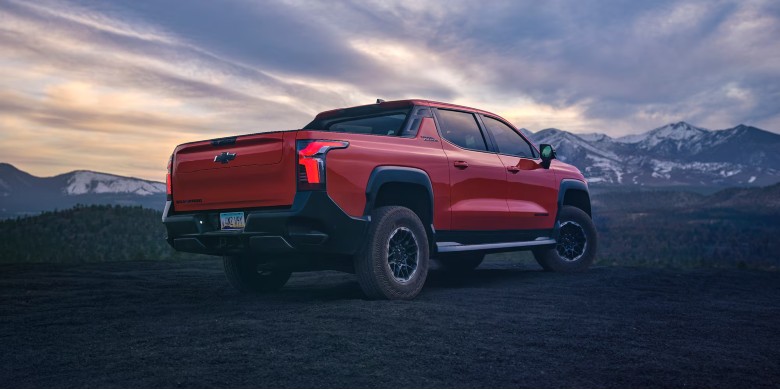
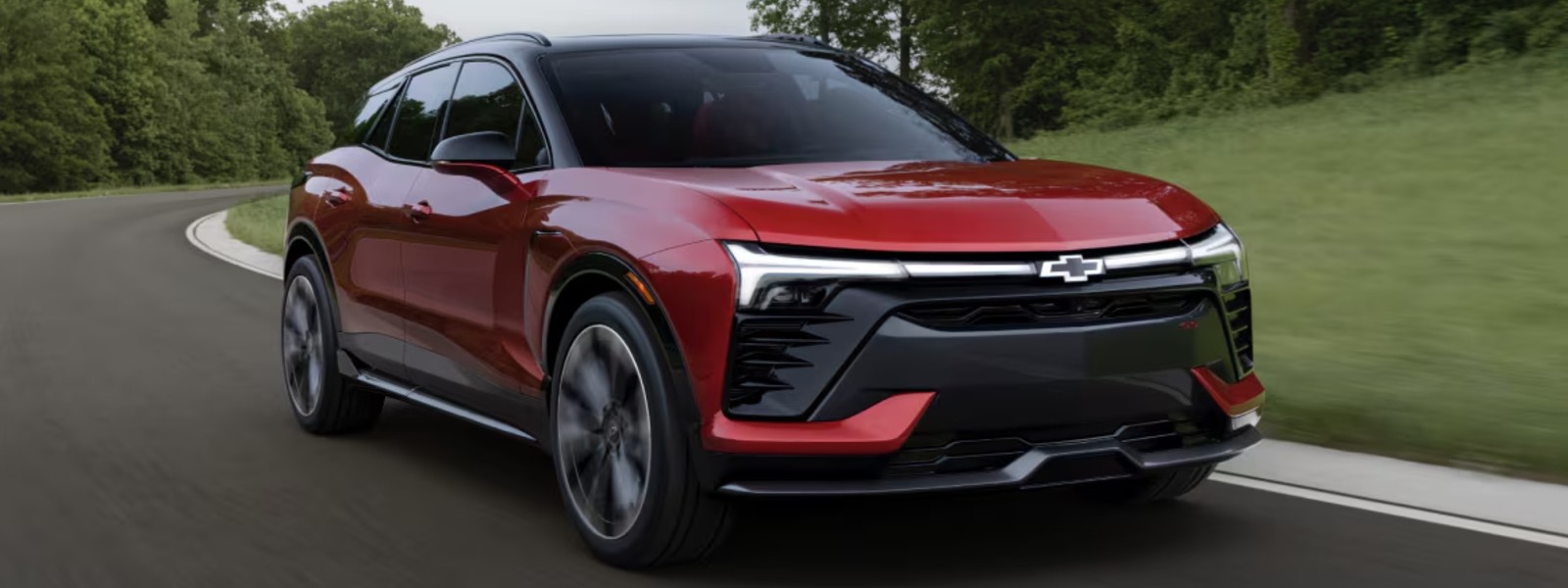
The Chevy Equinox EV is a versatile, approachable option with an EPA-estimated range well-suited for daily commutes and weekend escapes. The Blazer EV brings a sportier edge with more performance-oriented trim levels and strong DC fast charging support. And the Silverado EV is a serious work-and-tow machine that also happens to plug in — a combination that makes a lot of sense for Colorado truck owners who want capability without the gas bill. All three support Level 1, Level 2, and DC fast charging, so no matter where you charge, you’re covered.
Bottom Line: EV Charging Is Simpler Than It Sounds
Once you understand the three levels and how they fit into your routine, the question of “How long to charge an electric car?” stops feeling like a problem and becomes a non-issue. Most drivers charge at home overnight and almost never think about it. When you need more range fast, DC fast charging delivers. Fowler Chevrolet in Broomfield is here to walk you through the full picture — charging times, range estimates, available models, and what real ownership looks like in Colorado.
Frequently Asked Questions
How long does it take to charge a Chevy Equinox EV at home?
With a Level 2 home charger (240V), the Equinox EV can charge from near-empty in approximately 7–8 hours, making overnight charging a practical and convenient option for most drivers.
Can I charge a Chevy EV with a regular outlet?
Yes — all Chevy EVs support Level 1 charging via a standard 120V outlet, but it’s slow (2–5 miles of range per hour). It works as a backup, but a Level 2 home charger is strongly recommended for daily use.
How fast can the Chevy Silverado EV charge at a DC fast charger?
The Silverado EV supports up to 350 kW DC fast charging on compatible stations, allowing it to add significant range in as little as 10–15 minutes at a high-output charger.
Does cold weather affect how long it takes to charge an EV?
Yes. Cold temperatures slow the chemical reactions inside the battery, which can extend charging time and temporarily reduce available range. Preconditioning the battery while still plugged in — available on Chevy EVs — helps minimize this effect.
Is it better to charge to 100% every night?
For daily driving, most EV manufacturers recommend charging to 80–90% to preserve long-term battery health. Save 100% of the charge for days when you know you’ll need the maximum range.
What’s the difference between Level 2 and DC fast charging for the Chevy Blazer EV?
Level 2 is best for everyday home or workplace charging — slower but gentle on the battery. DC fast charging is designed for on-the-road stops, getting the Blazer EV to 80% in a fraction of the time during a longer trip.